You walk into your living room, and all you hear is the echo of your footsteps on the tile. It’s a common problem we see here in Central Florida. While our tile and hardwood floors keep homes cool during those humid 90°F summers, they can often feel stark or uninviting.
Layering rugs is the best way to fix this. It adds instant warmth, defines your space, and lets you show off your personality without a major renovation. I’ve helped dozens of homeowners in Winter Park and Lake Nona transform their spaces just by adding a second rug. Here is how you can master the art of rug layering in your home.
What Is Rug Layering and Why Does It Matter?
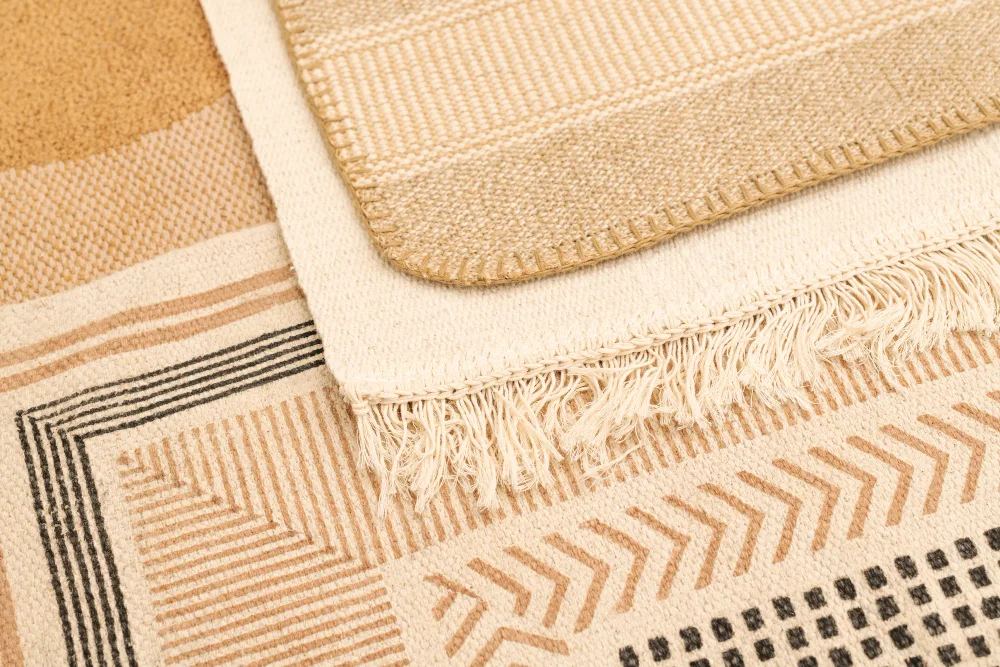
Rug layering is simply the practice of placing a smaller, decorative rug on top of a larger, neutral base rug. This technique instantly adds depth and texture to a room, making it feel curated rather than just furnished. In open-concept Florida homes, it also helps define specific zones—like separating the living area from the dining space—without using walls.
Beyond aesthetics, layering solves practical issues. It dampens sound in rooms with high ceilings and protects your expensive flooring from high traffic. Plus, it allows you to bring in cozy textures that might be too expensive to use for a room-sized area rug.
Choosing the Right Base Rug
Your base rug creates the foundation for the entire look, so opt for a neutral color and a durable natural fiber. Jute, sisal, and seagrass are excellent choices for Florida homes because they stand up well to our sandy soil and humidity.
Size and Material
The base rug should be large enough to anchor the furniture. Typically, you want to leave about 12 to 18 inches of exposed floor around the perimeter of the rug. If you have a standard living room, an 8x10 or 9x12 rug usually works best. Natural fibers add that essential coastal texture we love here.
Durability
Durability is non-negotiable. I always tell clients to pick a base layer that can handle foot traffic. If you look at the inventory of a high-end rug store in Scottsdale, you'll notice they prioritize tight weaves for base layers. This ensures the rug stays flat and doesn't bunch up under the top layer.
Selecting a Top Rug That Pops
The top rug is where you get to have fun with bold patterns, colors, and softer textures. Since this rug is smaller, you can afford to splurge on a higher-quality material like wool or a hand-knotted vintage piece.
Size and Shape
The top rug should be about two sizes smaller than your base rug. For example, if your base is an 8x10, try a 5x8 or even a 6x9 on top. You can also experiment with shapes. A cowhide or an oval rug placed at an angle adds a modern, organic feel that breaks up the rigid lines of tile flooring.
Style Harmony
Look for a top rug that complements our local tropical or coastal decor. A vintage Persian-style rug with blues and creams looks stunning over a chunky jute base. It’s a look that rivals any professional design you’d find, even if you were browsing a top-tier rug store Scottsdale, Arizona.
Layering Techniques and Tips
Successful layering requires balancing color, pattern, and texture so the room feels cohesive, not chaotic.
Color and Pattern Coordination
Stick to a complementary color palette. If your room has a coastal theme with soft blues and greens, ensure your top rug highlights those shades. If you mix patterns, change the scale. Pair a large-scale geometric print on the bottom (if you skip the neutral base) with a smaller, intricate pattern on top.
Texture Play
Contrast is your friend here. If your base rug is a rough, nubby sisal, choose a soft, plush wool rug for the top layer. This mix of textures creates a luxury feel underfoot. While browsing a rug store in Arizona online might show you heavy wool options, remember that in Florida, we want materials that breathe. Avoid anything too heavy that might trap moisture.
Scale and Proportion
Proper scaling prevents the "postage stamp" look. Your top rug should be centered or intentionally offset, but it must connect with the furniture. At least the front legs of your sofa or chairs should touch the rug assembly.
Avoiding Common Mistakes
Rug layering looks effortless, but there are a few technical traps to avoid.
Overcrowding
Don't cover every inch of your floor. Leaving that 10-20% of exposed flooring around the edges is vital for visual breathing room. In smaller bedrooms, stick to just one rug or a very simple layer to avoid making the space feel cluttered.
Safety Hazards
Tripping is a real concern when you stack rugs. Always use a high-quality rug pad under the base layer. For the top layer, use double-sided rug tape or a thin, felt-and-rubber pad to lock it in place.
Local Florida Inspiration
You don't have to look far for inspiration. Many homes in Winter Park are using this trend to warm up their original 1950s terrazzo floors. I’ve seen beautiful examples where homeowners use a large seagrass mat paired with a colorful Turkish kilim to bridge the gap between historic charm and modern comfort.
Even though specific styles vary, the goal is always comfort. Whether you're looking for the desert vibes of a rug store in Scottsdale, Arizona or the beachy feel of clearwater, the mechanics of layering remain the same.
The Bottom Line on Layering
Layering rugs is a practical, stylish way to handle Florida’s hard flooring surfaces. It adds instant warmth and allows you to change your decor seasonally without buying new furniture.
If you're ready to find the perfect combination for your home, or if you're comparing quality and looking for the inventory of a rug store in Scottsdale, Arizona, we can help you find the right pieces that fit your specific space.
Need Help Choosing the Proper Rugs?
Our team has years of experience matching textures and styles. Contact Organic Looms at (480) 947-4822 today to get started on your custom rug journey.