Summer in the valley brings intense heat followed by violent monsoon storms. As a master rug artisan, I constantly see the damage these extreme weather events cause to fine interior textiles. Need immediate help protecting your investment before the storms roll in? Call Organic Looms at (480) 947-4822 today. Otherwise, keep reading to learn exactly how to safeguard your organic textiles against the harsh Sonoran climate.
The Impact of Arizona Haboobs on Interior Textiles
Valley of the Sun dust storms push microscopic sand particles into your home. During monsoon season, haboobs generate high-velocity winds that force this abrasive dirt deep into your carpet's foundation. Over time, this gritty sand acts like tiny razors. It severs the fibers of your rug every time you walk on it.
Dust storm rug protection Arizona residents need starts with understanding the physics of this desert dirt. When 60 mph winds hit Camelback Mountain, the resulting dust cloud carries millions of tiny silica particles. These particles settle into the base of your textiles. In my 17 years working with natural fibers, I've found that 80 percent of premature wear comes directly from this hidden sand grinding against the foundation knots.
To prevent this, you must stop the dust from settling. Keep windows firmly shut during July and August afternoons when storms typically build.
Why Natural Fibers Outperform Synthetics in Dusty Climates
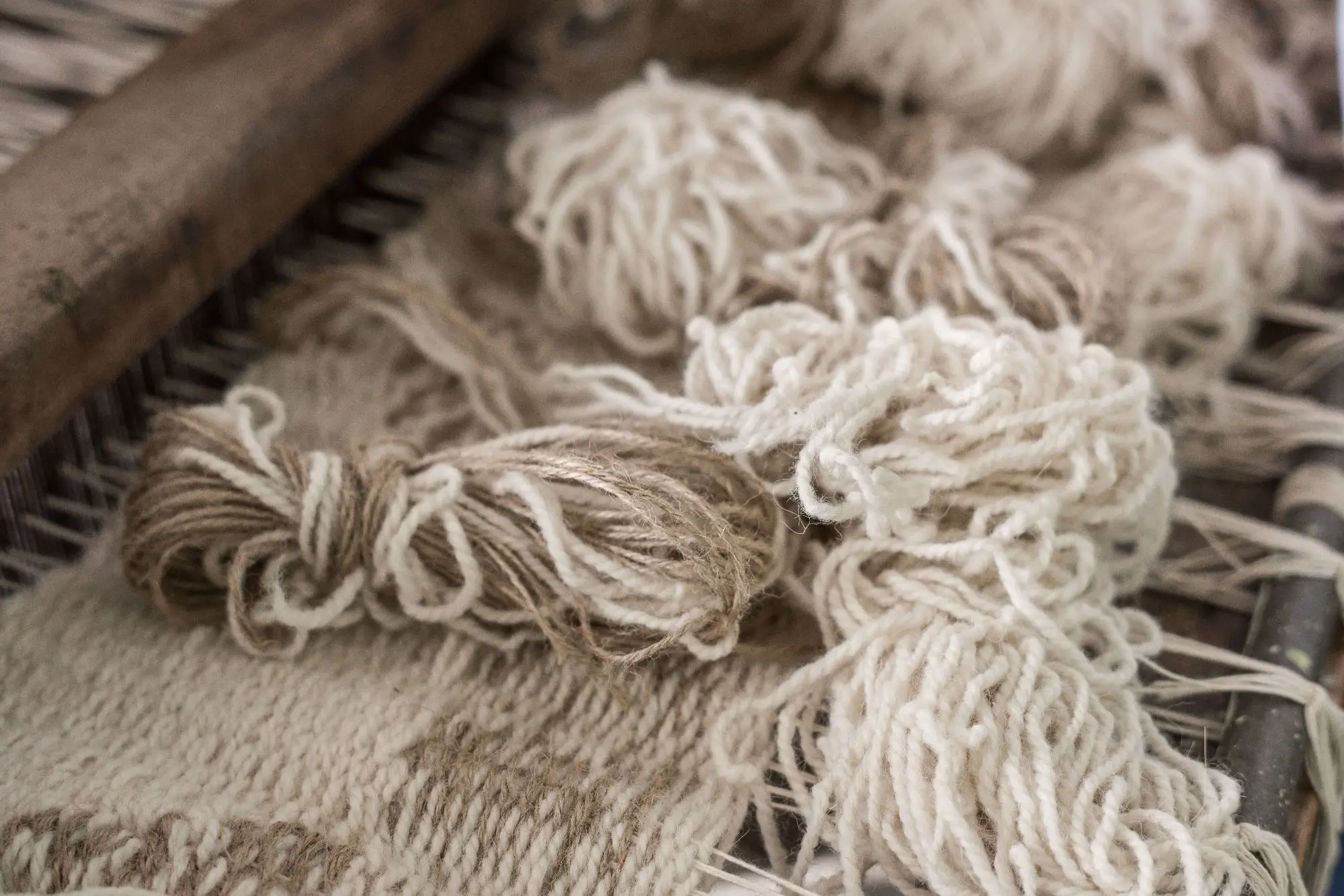
Natural fibers release dust easily, while synthetic plastics trap it forever. When you shop for area rugs Phoenix homes actually need, choose hand-spun organic wool and silk. Mass-produced polypropylene or nylon rugs melt slightly under friction and grab hold of dirt. You simply can't vacuum it all out. This structural difference dictates how long your textiles will survive.
At Organic Looms, we only use 100% natural materials in our creations. The scaly outer structure of natural wool fibers naturally pushes dirt back to the surface. Synthetic plastics act like a magnet for static electricity, locking onto dust particles. This makes protecting natural fiber rugs much easier for homeowners. A simple outdoor shake releases most of the trapped dirt from a wool piece.
If you visit our rug store in Scottsdale, you'll see the structural integrity of these organic materials firsthand. A hand-knotted wool rug breathes with your room's environment, whereas synthetic materials trap moisture and dust together, creating a muddy paste deep within the pile.
The Threat of UV Fading in Sun-Drenched Homes
Summer brings an intense secondary threat of ultraviolet light bleaching your rugs through large modern windows. UV fading carpet protection requires a dual approach: UV-blocking window treatments and naturally fade-resistant materials. Undyed organic fibers resist sun damage far better than chemically dyed plastics.
Many homes near Mummy Mountain feature beautiful floor-to-ceiling windows that let in massive amounts of UV radiation. I always advise installing UV-filtering window films that block 99 percent of harmful rays. We also recommend rotating the area rugs Phoenix sun hits directly every 90 days. This ensures any natural color mellowing happens evenly across the entire surface of the textile.
Pre-Monsoon Preparation and Post-Storm Recovery
Start your Haboob home maintenance AZ routine in late June. Install fresh weather stripping around all doors and windows to block dust ingress. After a storm hits, use proper vacuuming techniques to pull gritty sand out before it settles. Never use a harsh beater bar on delicate knots. This prevents severe structural damage.
You should remove the beater bar attachment from your vacuum entirely. Use suction only. Vacuum side to side across the width of the rug. Going with the pile direction prevents fiber distortion. You want to extract that abrasive sand before it can sever your carpet fibers.
If you own large area rugs in Paradise Valley, consider placing heavy furniture coasters under the legs of your couches and tables. This lifts the furniture slightly and allows better airflow during humid August days.
Here are a few quick steps you can take after a severe dust storm:
- Turn off your HVAC system temporarily to stop circulating airborne dust.
- Vacuum your hard floors first, then gently suction your rugs.
- Keep indoor humidity below 50 percent using your air conditioning to prevent organic fibers from swelling and trapping dirt.
Professional Maintenance for Organic Looms Investments
Proper Rug cleaning and care Phoenix homeowners trust requires specific, gentle methods instead of harsh industrial chemicals. While routine shaking and gentle blotting handle minor issues, professional intervention is necessary every 2 to 3 years. We avoid damaging hot water extraction rug cleaning methods that ruin natural wool lanolin. Instead, we rely on traditional cold-water washing.
Mass-market carpet cleaners often use heavy detergents and 200-degree water. That aggressive process strips the protective natural oils right out of your wool. Sonoran desert dust mitigation demands a specialized, patient approach. Our team washes rugs using gentle, chemical-free methods that respect the fiber's organic integrity. Professional hand-washing typically costs between $3 to $6 per square foot, but it adds decades to the life of your piece.
When you buy from a dedicated rug store in Arizona, you get access to expert artisans who know exactly how to preserve your investment. Our brand backs this up with a lifetime warranty and comprehensive repair services. We fix minor edge wear before it becomes a massive structural failure.
Keep Your Textiles Safe Year-Round
Arizona's extreme weather doesn't have to ruin your beautiful interior textiles. By preparing your home, using proper vacuuming techniques, and choosing the right organic materials, you'll enjoy your hand-knotted investments for generations.
Need professional help preparing your textiles for the summer storms? Contact Organic Looms at (480) 947-4822 to speak with our local textile experts today.