If you're redecorating your living room in Paradise Valley or updating a bedroom in Scottsdale, choosing the right rug is about more than just color and pattern. The materials under your feet affect your home's air quality, your cleaning routine, and even the planet.
Many homeowners find themselves torn between the natural appeal of organic rugs and the convenience of synthetic options. Both have their place, but understanding the differences helps you make the best choice for your lifestyle.
In this guide, we’ll compare organic and regular rugs side-by-side, looking at everything from durability in our desert climate to long-term costs.
What Are Organic Rugs?
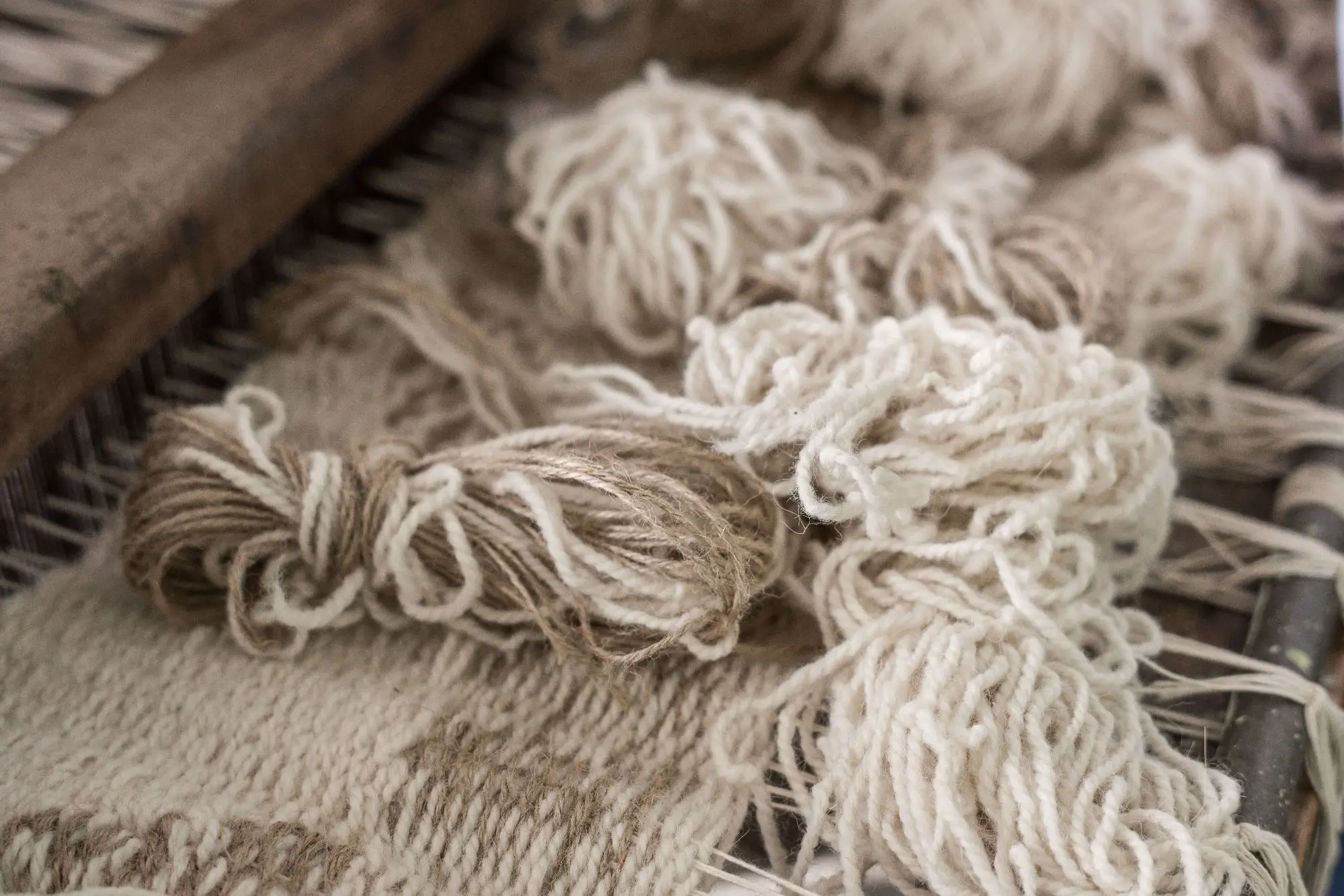
Organic rugs are floor coverings made from natural fibers that are grown and processed without harmful chemicals. Unlike standard natural fiber rugs, "organic" implies a stricter standard of production that prioritizes environmental health and safety from the farm to your floor.
Common materials used in these rugs include:
- Organic Wool: Sourced from sheep raised on organic feed, without synthetic hormones or pesticides.
- Organic Cotton: Grown without toxic pesticides or synthetic fertilizers.
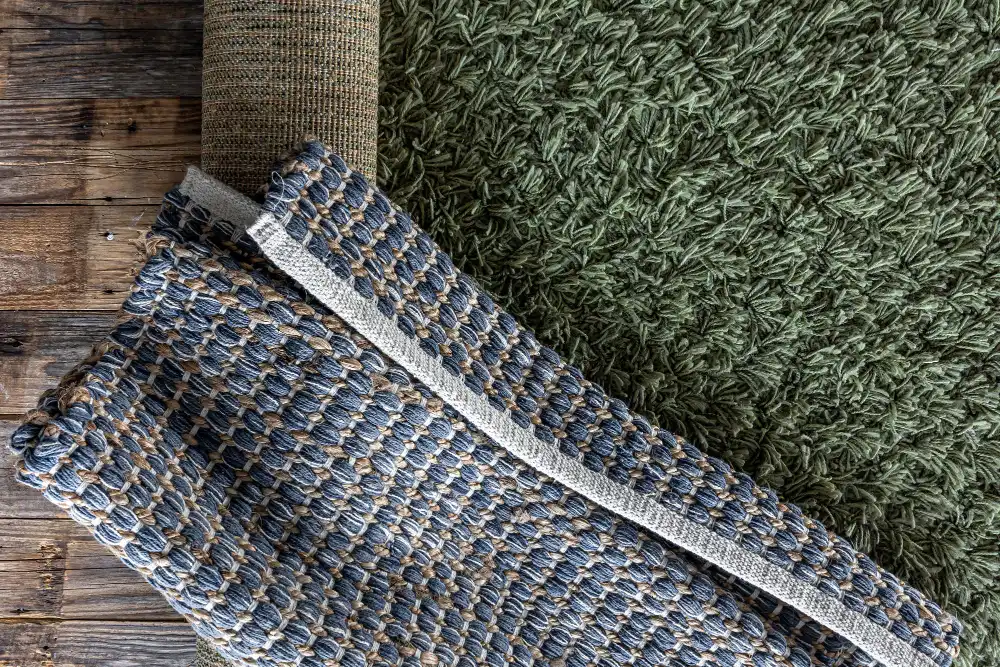
- Jute, Sisal, and Hemp: Fast-growing plant fibers that are naturally durable and biodegradable.
Because these materials are natural, they don't off-gas volatile organic compounds (VOCs) into your home. This makes them a popular choice for families with young children, pets, or allergy sufferers who want to keep their indoor air clean.
What Are Regular Rugs?
Regular rugs, often called synthetic rugs, are manufactured using man-made fibers derived from petroleum products. These are the rugs you commonly see in big-box stores.
Common materials include:
- Polypropylene (Olefin): A plastic-based fiber known for being stain-resistant and cheap.
- Nylon: Strong and durable, often used in high-traffic areas.
- Polyester: Soft and vibrant, but tends to crush easily over time.
While these rugs are often marketed for their stain resistance and lower price tag, they come with hidden downsides. Synthetic rugs are essentially plastic, meaning they are non-biodegradable and can release microplastics into the environment as they wear down.
Do Organic Rugs Last Longer in Arizona?
Yes, high-quality organic rugs—specifically wool—typically outlast synthetic rugs by decades, especially in dry climates like ours.
In Arizona, we deal with intense sunlight and dry air. Synthetic rugs, particularly polypropylene, can become brittle and fade quickly when exposed to the strong UV rays coming through your windows. The plastic fibers eventually break down, leading to shedding and a flattened texture.
Organic wool, on the other hand, is naturally resilient. The fibers have a coil-like structure that bounces back after being walked on, resisting the "crushed" look that plagues polyester rugs. A hand-knotted organic wool rug can easily last 50 years or more with proper care, whereas a synthetic rug might need replacing in 3 to 5 years.
How Do Costs Compare?
When you visit an area rug Store in Arizona, you will notice a price difference immediately. Organic rugs require more labor and higher-quality raw materials, leading to a higher upfront cost.
- Regular Rugs: You can find an 8x10 synthetic rug for anywhere between $150 and $800.
- Organic Rugs: An 8x10 hand-knotted organic wool rug typically starts around $2,500 and goes up depending on the knot count and design.
However, it's helpful to look at the "cost per use." If you buy a $400 synthetic rug but have to replace it three times over a decade due to wear and tear, you've spent $1,200 and sent three large items to the landfill. Investing in a quality organic piece that lasts 30+ years often costs less over the lifespan of the rug.
According to industry data, wool rugs retain their appearance significantly longer than synthetics, with wool fibers being able to bend back on themselves 20,000 times without breaking, compared to just 3,000 times for silk and less for synthetics.
Are Synthetic Rugs Bad for Your Health?
Synthetic rugs can negatively impact indoor air quality, which is a significant concern for airtight, air-conditioned homes in Scottsdale and Phoenix.
Many synthetic rugs are treated with stain repellents, flame retardants, and antimicrobial chemicals. These can off-gas VOCs (Volatile Organic Compounds) like benzene and formaldehyde. If you've ever unrolled a new rug and noticed a strong "new car" chemical smell, that is off-gassing. This can trigger headaches, dizziness, and respiratory irritation.
Organic rugs are naturally hypoallergenic. Wool, for example, is resistant to dust mites and bacteria without needing chemical additives. It also acts as a natural air filter, trapping dust and allergens in the top layer of the rug where they can be easily vacuumed away, rather than floating in the air you breathe.
Which Rug Is Easier to Clean?
Regular synthetic rugs are often marketed as "stain-proof," and it's true that liquid sits on top of plastic fibers, making them easy to wipe up initially. However, once oil-based dirt grinds into synthetic fibers, it can be nearly impossible to remove, leaving the rug looking dingy over time.
Organic wool rugs have a natural protective coating called lanolin. This waxy substance prevents dirt and liquid from penetrating deep into the fiber. If you spill wine on a wool rug, you often have a window of time to blot it up before it stains.
For maintenance, organic rugs just need regular vacuuming (without a beater bar) and professional cleaning every 1-3 years. Synthetic rugs often require more aggressive chemical cleaning to look fresh, which can strip away their stain-resistant coatings.
Finding the Right Rug for Your Paradise Valley Home
If you're looking for area rugs in Paradise Valley, design is likely just as important to you as durability.
Synthetic rugs offer limitless color options because plastic can be dyed any shade. However, they often look flat and uniform.
Organic rugs offer a depth of character that machines can't replicate. The natural variations in wool or hemp yarns create a rich texture (called "abrash") that adds warmth and sophistication to a room. Whether your home is a modern build near Camelback Mountain or a Santa Fe style estate, natural fibers ground the space in a way that synthetics rarely do.
Environmental Impact: The Hidden Cost
Arizona residents are increasingly conscious of water use and waste. Regular rugs contribute significantly to the waste stream. Because they are made of complex synthetic blends and often have latex backings glued on, they are incredibly difficult to recycle. Most end up in landfills where they sit for centuries.
Organic rugs are biodegradable. At the end of their very long life, natural fibers like wool and cotton will return to the earth. Furthermore, organic farming practices used to grow these materials use less water and promote soil health compared to conventional farming or synthetic manufacturing.
Conclusion: Making the Sustainable Choice
Choosing between an organic and a regular rug comes down to your priorities. If you need a temporary, cheap solution for a dorm room or a muddy entryway, a synthetic rug might serve its purpose.
However, if you want a rug that promotes a healthy home, adds luxurious texture, and stands up to decades of life, an organic rug is the clear winner. It’s an investment in your home’s comfort and your family’s health.
Ready to feel the difference of natural fibers? Visit our area rug Store in Arizona to explore our collection. We are proud to serve the community, from Old Town to Silverleaf, helping you find the perfect foundation for your room.
Contact Organic Looms Today
We are here to help you navigate the world of sustainable luxury.
Call us at (480) 947-4822 or contact us online to schedule a consultation.