Living in Central Florida means dealing with two powerful forces: intense sunshine and serious humidity. While we love our year-round summer, that weather takes a toll on home interiors, especially flooring. A rug that works perfectly in a New York apartment might fade or grow mold here in Orlando within a year.
Finding the right rug isn't just about picking a pretty pattern; it's about choosing a material that can survive our specific climate. We've seen too many homeowners in Winter Park and Lake Nona throw away expensive rugs because the fiber couldn't handle the UV rays or the moisture. Here is everything you need to know about picking the right rug material for your Florida lifestyle.
Natural Fibers: The Classic Choice
Natural fibers are generally the most durable and long-lasting options for area rugs. They add warmth and texture that synthetic materials struggle to mimic. However, because they are organic; they react to the environment—specifically moisture and sunlight—in different ways.
Wool Rugs
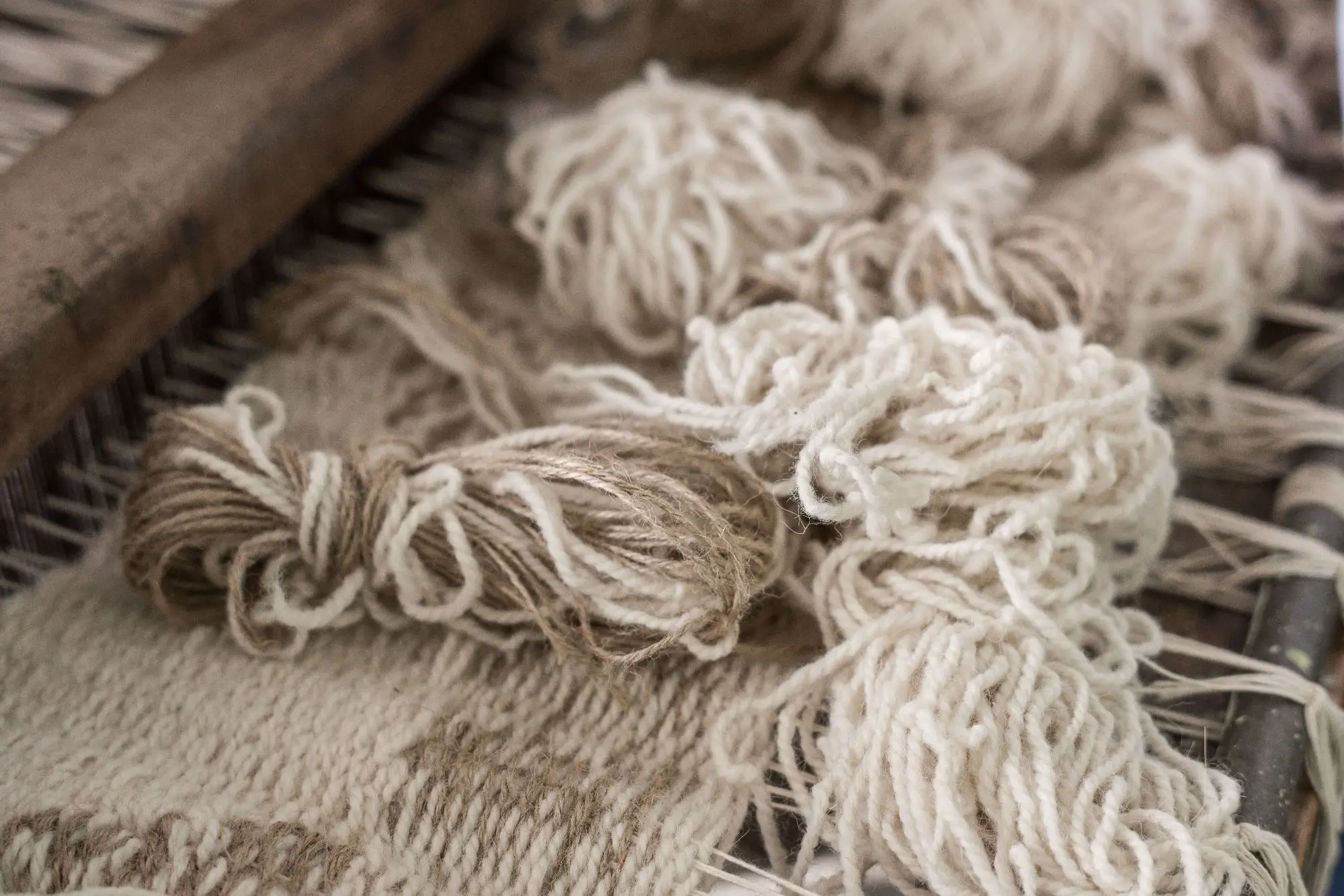
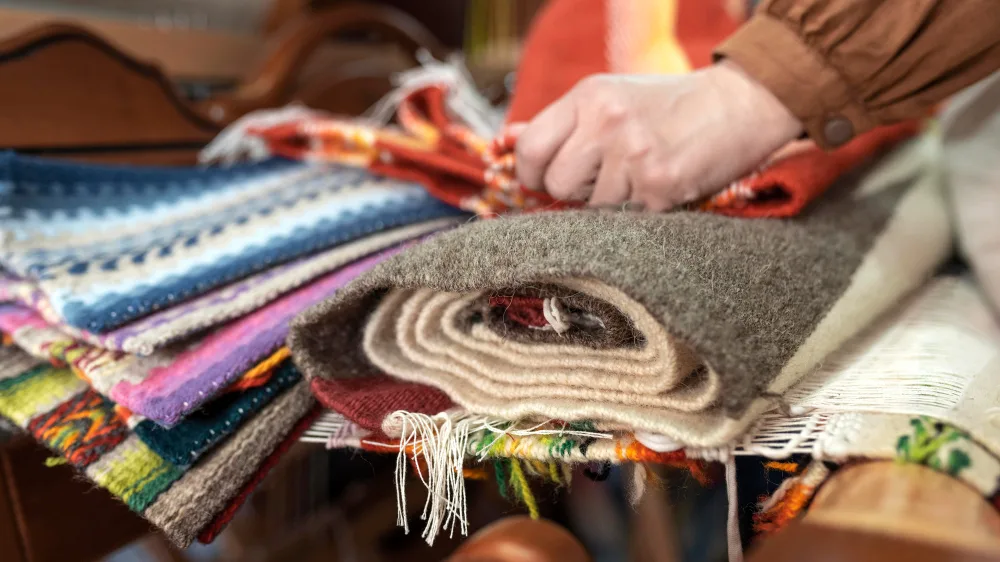
Wool rugs are the gold standard for durability and can last 50 years or more with proper care. The fibers are naturally coated in lanolin, which repels stains and moisture to a degree. In Florida, wool is an excellent choice for living rooms and bedrooms because it's breathable. It releases moisture rather than trapping it, which helps prevent the mildew issues we often see in humid climates.
While wool is resilient, it isn't cheap. You can expect to pay anywhere from $15 to over $100 per square foot for high-quality hand-knotted wool. If you visited a high-end rug store in Scottsdale or here in Orlando, you'd see that wool is the primary investment piece for luxury homes. The main drawback for our area is sun exposure; dyed wool can fade in direct Florida sunlight, so keep these rugs away from untreated french doors.
Cotton Rugs
Cotton rugs are lightweight, affordable, and usually machine washable, making them a favorite for casual spaces. They offer a soft, natural feel underfoot and come in a wide variety of colors. For Florida homes, cotton flatweaves are great for kitchens or bathrooms where you need something breathable that won't trap heat.
The downside to cotton is its lifespan. Unlike wool, cotton fibers break down faster, especially in high-traffic areas. They also absorb spills quickly. We recommend cotton for low-traffic zones or areas where you want to swap out decor frequently without spending a fortune.
Silk Rugs
Silk offers an unmatched sheen and softness that defines luxury. The fibers are incredibly fine, allowing for intricate detailed patterns that look almost like paintings. In a formal living room or a master bedroom in Dr. Phillips, a silk rug makes a massive statement.
However, silk is delicate. It requires professional cleaning and does not handle water well. A simple water spill can cause permanent texture changes or staining. For a household with kids, pets, or a pool entrance nearby, silk is a risky choice. Reserve silk for rooms that are strictly for show or gentle use.
Sisal and Jute
Sisal and jute rugs provide that organic, beachy look that fits the Florida aesthetic perfectly. They are textured, neutral, and generally affordable. Sisal is the tougher of the two, while jute is softer but less durable.
Here is the catch for Florida residents: these plant fibers are extremely absorbent. If you live near the coast or in a home with high humidity, jute acts like a sponge. This can lead to mold growth or fiber rot over time. If you love the look, keep these rugs in your driest, climate-controlled rooms, and never use them on a screened-in porch.
Synthetic Fibers: Built for Toughness
Synthetic rugs have come a long way. They are engineered to resist stains, fading, and moisture, which sounds like a dream for Florida homeowners. While they may not have the investment value of wool, they offer practical solutions for busy families.
Nylon Rugs
Nylon is the most durable synthetic fiber available. It resists abrasion and bounces back under the weight of furniture, meaning you won't see crushed spots as easily as you do with other synthetics. It’s also easy to clean.
The main con is the cost compared to other synthetics; nylon is more expensive than polyester or olefin. Also, while it resists stains, acid-based dyes (like wine or pet accidents) can sometimes leave a mark if not treated immediately.
Polyester
Polyester offers vibrant colors and extreme stain resistance. It is essentially dyed plastic, so water-based stains wipe right off. It is soft and very affordable, often costing a fraction of natural fiber prices.
However, polyester flattens easily. In a high-traffic hallway, a polyester rug will look matted down within a year or two. It’s best used in bedrooms or guest rooms where foot traffic is lighter.
Olefin (Polypropylene)
Olefin is the champion of outdoor living. It is moisture-resistant, mold-resistant, and UV-stabilized to prevent fading. This is the material you want for your lanai or pool deck. It dries quickly after a summer thunderstorm and won't bleach out in the sun.
Inside the house, olefin is great for mudrooms or dining rooms where spills are likely. The trade-off is the texture; it can feel a bit plastic-y compared to wool or cotton, and it has a lower melting point, so keep it away from fireplaces or hot appliances.
Blended Fibers: The Best of Both Worlds
Manufacturers often blend materials to balance cost, durability, and look. A common blend we see is wool and silk (or bamboo silk). You get the durability and structure of the wool mixed with the luxurious shine of the silk, often at a lower price point than 100% silk.
Another popular option is a wool-synthetic blend. This helps the rug retain its shape better than a pure synthetic while lowering the price compared to pure wool. It’s a smart compromise for family rooms where you want comfort but need durability.
Comparisons: Florida Climate vs. Dry Climates
When shopping for rugs, it helps to understand why our recommendations might differ from a rug store in Arizona. In a dry desert climate, natural fibers like jute dry out and become brittle. Here in Florida, the challenge is the opposite: humidity.
We often compare notes with experts from a rug store in Arizona regarding fiber longevity. While they worry about fibers cracking from lack of moisture, we worry about absorption. That is why we emphasize breathability. A rug with a synthetic backing that traps moisture against your terrazzo or hardwood floor can cause serious damage in our humid environment. Always choose a rug pad that allows for airflow.
Sunlight is the common enemy for both locations. UV rays will fade a dark wool rug in a matter of months if it sits in direct sunlight. If you have big sliding glass doors, consider window tinting or stick to lighter colors and UV-resistant materials like solution-dyed acrylics or high-quality wools.
Maintenance Tips for Florida Rugs
Proper care extends the life of your rug significantly. Here is how to keep them fresh in our climate:
- Vacuum Regularity: Sand is a rug killer. Florida sandy soil gets tracked in and acts like sandpaper at the base of the rug fibers. Vacuum high-traffic areas twice a week without the beater bar to remove grit.
- Professional Cleaning: Get your natural fiber rugs cleaned professionally every 12 to 18 months. This removes the deep-set dust and allergens that vacuums miss.
- Rotate Frequently: To avoid uneven fading from the intense sun, rotate your rug 180 degrees every six months.
- Immediate Blotting: When spills happen, blot them immediately with a clean white cloth. Never rub, as this pushes the stain deeper into the fibers.
Finding the Perfect Rug for Your Home
Choosing the right rug material affects how your home looks, feels, and smells. For most Florida homes, wool remains the top choice for its balance of durability and breathability, while olefin is the clear winner for indoor-outdoor spaces.
If you're looking for high-quality options that can withstand our unique climate, you don't have to guess. Whether you're browsing online for a rug store Arizona locals love or shopping right here in town, quality materials make all the difference.
Need Help Choosing?
We are here to help you find the perfect piece for your space. Contact Organic Looms at (480) 947-4822 to speak with a design expert today.