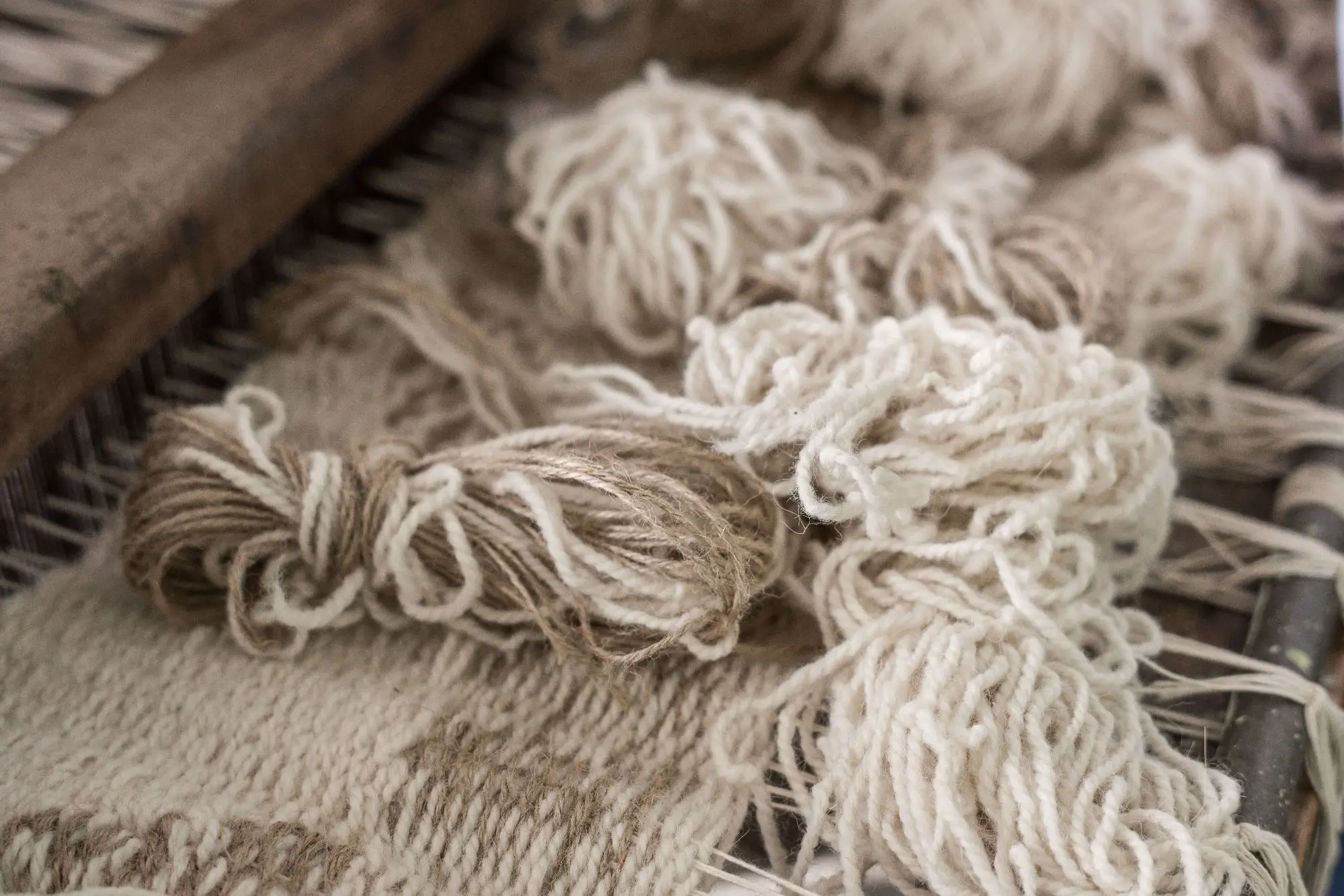

Creating a stylish and sustainable home can feel like a challenge, especially when it comes to finding pieces that are both beautiful and genuinely eco-friendly. You want your space to reflect your values, but navigating the world of green products often leads to more questions than answers. This guide will walk you through the role of organic rugs in eco-friendly interior design, showing you how to choose pieces that are good for your home and the planet. We'll cover what makes a rug truly organic, the benefits they offer, and how to find the perfect one for your space.
An organic rug is more than just a floor covering; it’s a commitment to a healthier living environment and a more sustainable world. Unlike conventional rugs, which are often treated with synthetic dyes and chemicals like formaldehyde and flame retardants, organic rugs are made from natural, renewable materials. These materials are grown without the use of toxic pesticides or fertilizers, ensuring a cleaner product from the ground up. By choosing an organic rug, you’re not just making a design choice—you're supporting farming practices that protect the soil, water, and air.
What Makes a Rug "Organic"?
A rug is considered "organic" when it's made from natural fibers grown without synthetic pesticides, fertilizers, or genetically modified organisms (GMOs). These fibers are then processed and dyed using non-toxic, natural substances. Common materials include organic wool, cotton, jute, and sisal. For a rug to be certified organic, it must meet strict standards set by organizations like the Global Organic Textile Standard (GOTS), which ensures environmental and social responsibility throughout the entire production chain. This means from the farm in New Zealand to your living room floor in Orlando, the process is verified to be safe and sustainable.
Choosing an organic rug matters because it significantly reduces your home's chemical load. Conventional rugs can off-gas volatile organic compounds (VOCs) for years, contributing to indoor air pollution and potential health issues. An organic rug, on the other hand, improves your home's air quality. This is especially important for households with children, pets, or individuals with allergies and chemical sensitivities. Investing in a piece from a trusted Organic Rug Store ensures you're bringing a product into your home that is safe for your family and the environment.
What Are the Benefits of Using Organic Rugs?
The benefits of choosing organic rugs extend far beyond their beautiful appearance, offering significant advantages for your health, the environment, and even your wallet over time. An organic rug can improve your home's indoor air quality because it doesn't release harmful VOCs, which are commonly found in synthetic materials and dyes. These chemicals have been linked to health problems ranging from headaches to respiratory issues. In a humid climate like Florida's, where homes are often sealed tight to keep the cool air in, minimizing indoor pollutants is crucial for a healthy living space.
Furthermore, organic rugs are an investment in sustainability. Materials like wool and jute are renewable and biodegradable, meaning they won't sit in a landfill for hundreds of years like their synthetic counterparts. Organic farming practices also use significantly less water—up to 91% less for organic cotton compared to conventional cotton—and promote soil health, which helps combat climate change. Finally, these rugs are incredibly durable. Natural fibers like wool are resilient and naturally stain-resistant, often outlasting synthetic alternatives by decades. While the initial cost may be higher, their longevity means you won't need to replace them as frequently, saving you money in the long run.
How Do I Choose the Right Organic Rug for My Home?
Choosing the right organic rug for your home involves considering the material, the room's function, and your personal style. Each natural fiber has unique properties that make it suitable for different areas.
- Wool: Organic wool is a fantastic all-around choice. It's naturally durable, flame-retardant, and stain-resistant, making it perfect for high-traffic areas like living rooms and hallways. Its insulating properties also help regulate room temperature, keeping your home cooler during those hot Orlando summers and warmer in the winter, which can help reduce your energy bill by 5-10%.
- Cotton: Organic cotton rugs are soft, lightweight, and typically more affordable. They are a great option for bedrooms, nurseries, and bathrooms. Most cotton rugs are machine washable, making them easy to clean. However, they are less durable than wool, so they may not be the best fit for areas with heavy foot traffic.
- Jute and Sisal: These plant-based fibers offer a natural, earthy texture that brings a coastal or bohemian feel to a room. Jute is softer and best for low-traffic areas like bedrooms, while the more durable sisal can handle entryways and living rooms. Keep in mind that these materials can be sensitive to moisture, so they aren't ideal for bathrooms or damp basements.
When shopping, look for certifications like GOTS to ensure you're getting a genuinely organic product. A reputable Organic Rug Store will be transparent about its sourcing and production processes, helping you make a confident and informed choice.
How Can I Maintain My Organic Rug?
Proper maintenance is key to preserving the beauty and extending the life of your organic rug, ensuring it remains a centerpiece in your home for years to come. The first step is regular vacuuming, at least once a week, to remove dust and dirt before they get ground into the fibers. Use a vacuum without a beater bar, as the aggressive bristles can damage the natural fibers over time. For spills, act quickly. Blot the area with a clean, dry cloth to absorb as much liquid as possible—don't rub, as this can spread the stain.
For deeper cleaning, different materials require different approaches. Many organic cotton rugs can be machine-washed on a gentle cycle with a mild, eco-friendly detergent. For wool, jute, or sisal rugs, professional cleaning is often the safest bet, typically costing between $2 to $5 per square foot. If you're tackling a minor stain on a wool rug, a simple solution of water and gentle soap can often do the trick. The natural lanolin in wool provides a built-in resistance to stains, making them easier to clean than you might think. By following these simple steps, your organic rug will continue to look its best and contribute to a healthy, stylish home.
Find Your Perfect Eco-Friendly Rug
Choosing an organic rug is a powerful step toward creating a home that is healthier for your family and kinder to the planet. These beautiful, durable pieces prove that you don't have to sacrifice style for sustainability. By understanding what makes a rug organic and how to care for it, you can make a lasting investment in your home's comfort and design.
If you’re looking for a trusted Organic Rug Store to help you find the perfect piece, our team at Organic Looms is ready to assist. Contact us today to learn more about our collection and start your journey toward a more beautiful, eco-friendly home.